About lung cancer
Most lung cancers are non-small cell lung cancer (NSCLC), mainly adenocarcinoma and squamous cell carcinoma; about one in seven is small cell lung cancer. In East Asia, a large share of adenocarcinomas, particularly in people who have never smoked, carry an EGFR mutation that responds to targeted drugs.
Symptoms
Early lung cancer usually causes no symptoms and is often found on a CT scan done for another reason or for screening. Later symptoms include a persistent cough, coughing up blood, chest pain, shortness of breath, hoarseness and weight loss.
Diagnosis
Low-dose CT detects nodules; PET-CT and brain MRI assess spread. A biopsy confirms the type, and molecular testing (EGFR, ALK, ROS1, KRAS and other markers) plus PD-L1 testing guides drug treatment.
Treatment in China
- Minimally invasive surgery. Video-assisted thoracoscopic and robotic surgery, including segmentectomy for small early tumors.
- Targeted therapy. Drugs for EGFR, ALK and other driver mutations, including several developed in China.
- Immunotherapy alone or with chemotherapy, before or after surgery and for advanced disease.
- Radiotherapy. Stereotactic body radiotherapy (SBRT) and, for selected cases, proton or carbon-ion therapy.
Why patients choose China
The Cancer Hospital, Chinese Academy of Medical Sciences, ranks first in China for both oncology and thoracic surgery; its president He Jie is an academician specializing in lung and esophageal cancer surgery. Chinese centers run large clinical trials of targeted and immune therapies, and high nodule-screening volumes give their surgeons broad experience with early-stage disease.
Treatments available in China
Proton and heavy-ion therapy
Proton and carbon-ion (heavy-ion) therapy are forms of particle radiotherapy that, for some tumors, concentrate the radiation dose in the tumor while sparing more surrounding tissue. China has a small but growing number of centers.
Robotic surgery
Robot-assisted surgery is routine at China’s leading hospitals for cancers of the prostate, kidney, rectum, lung, esophagus and uterus, and China has also developed its own surgical robots.
Top hospitals in China for Oncology
Fudan 2023 reputation score · bars are relative to the leader in this specialty.
- 1 Cancer Hospital, Chinese Academy of Medical Sciences Beijing 10.9
- 2 Sun Yat-sen University Cancer Center Guangzhou 9.4
- 3 Fudan University Shanghai Cancer Center Shanghai 8.9
- 4 Peking University Cancer Hospital Beijing 6.8
- 5 Tianjin Medical University Cancer Institute and Hospital Tianjin 6.3
- 6 Shandong Cancer Hospital and Institute Jinan 4.8
- 7 Zhejiang Cancer Hospital Hangzhou 2.9
- 8 West China Hospital, Sichuan University Chengdu 2.8
- 9 Jiangsu Cancer Hospital Nanjing 1.4
- 10 Sichuan Cancer Hospital & Institute Chengdu 1.0
Nominated hospitals (15)
- Peking Union Medical College HospitalBeijing
- Zhongshan Hospital, Fudan UniversityShanghai
- Chinese PLA General Hospital (301 Hospital)Beijing
- First Hospital of China Medical UniversityShenyang
- Second Affiliated Hospital, Zhejiang University School of MedicineHangzhou
- Wuhan Union Hospital, Tongji Medical CollegeWuhan
- Harbin Medical University Cancer HospitalHarbin
- Henan Cancer HospitalZhengzhou
- Hunan Cancer HospitalChangsha
- Chongqing University Cancer HospitalChongqing
- Jilin Cancer HospitalChangchun
- Tongji Hospital, Tongji Medical CollegeWuhan
- Xinqiao Hospital, Army Medical UniversityChongqing
- Southwest Hospital, Army Medical UniversityChongqing
- Xiangya Hospital, Central South UniversityChangsha
Hospitals to consider
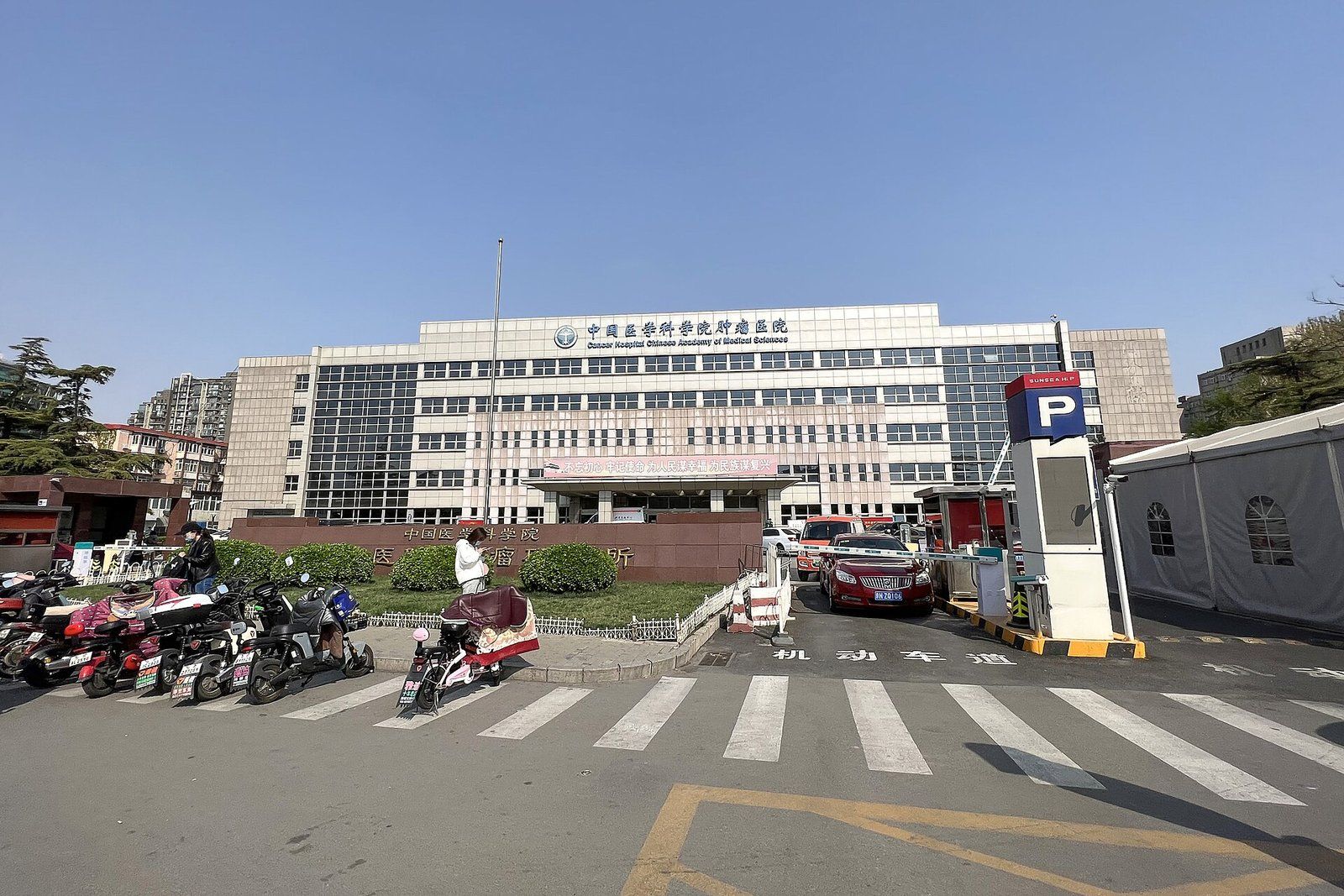
Cancer Hospital, Chinese Academy of Medical Sciences
- Fudan 2023
- #1 Oncology
- #1 Thoracic surgery
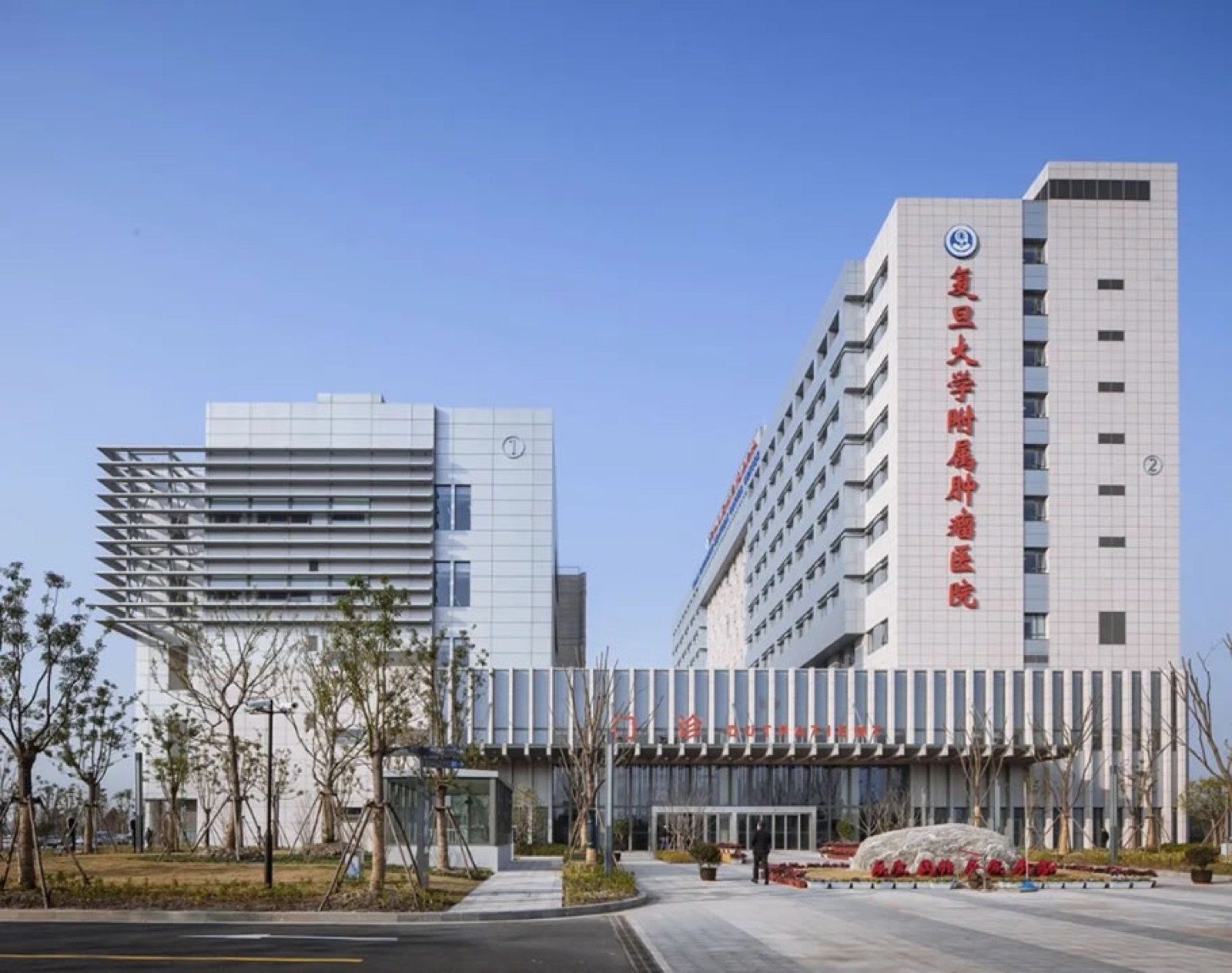
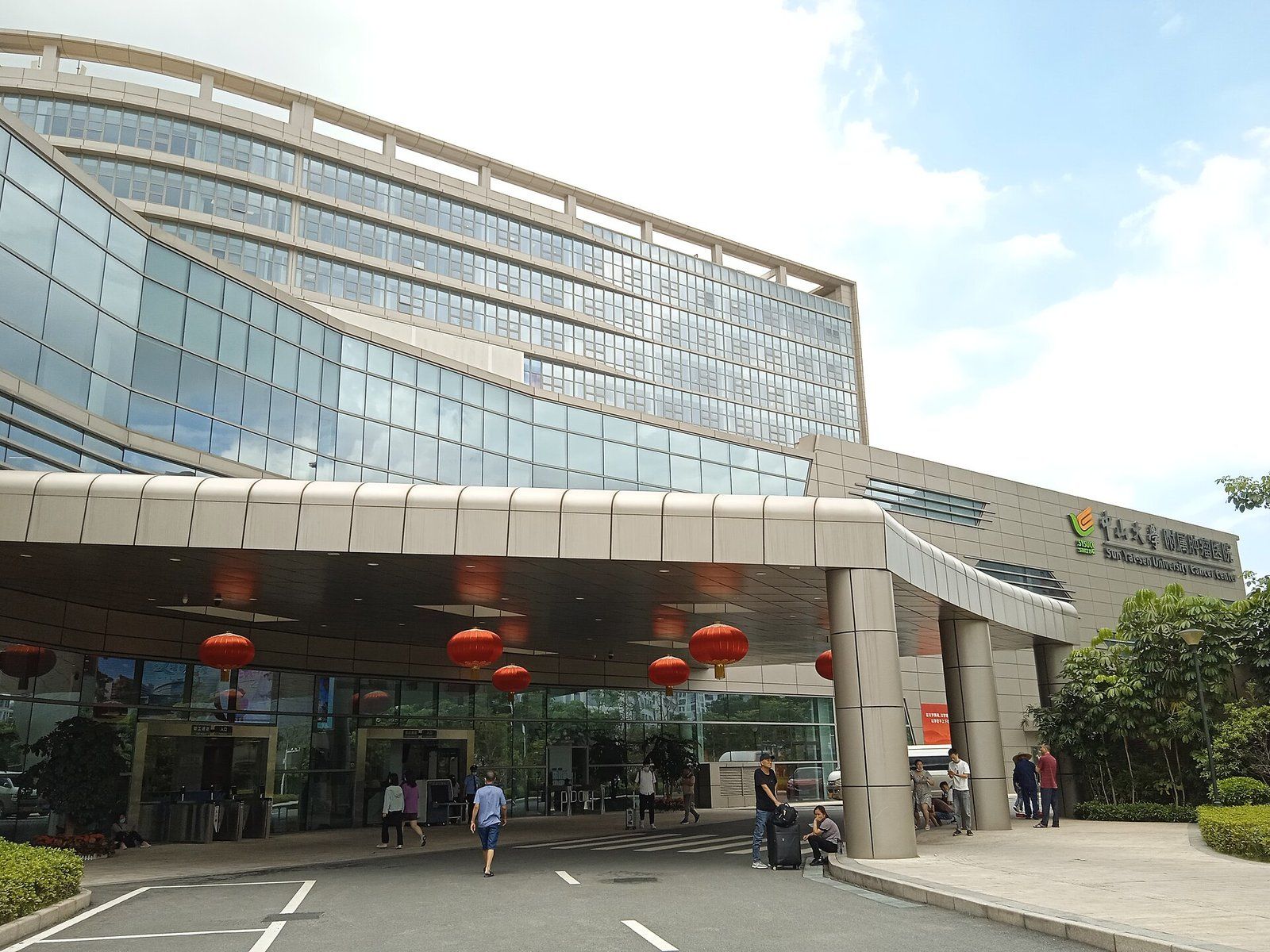
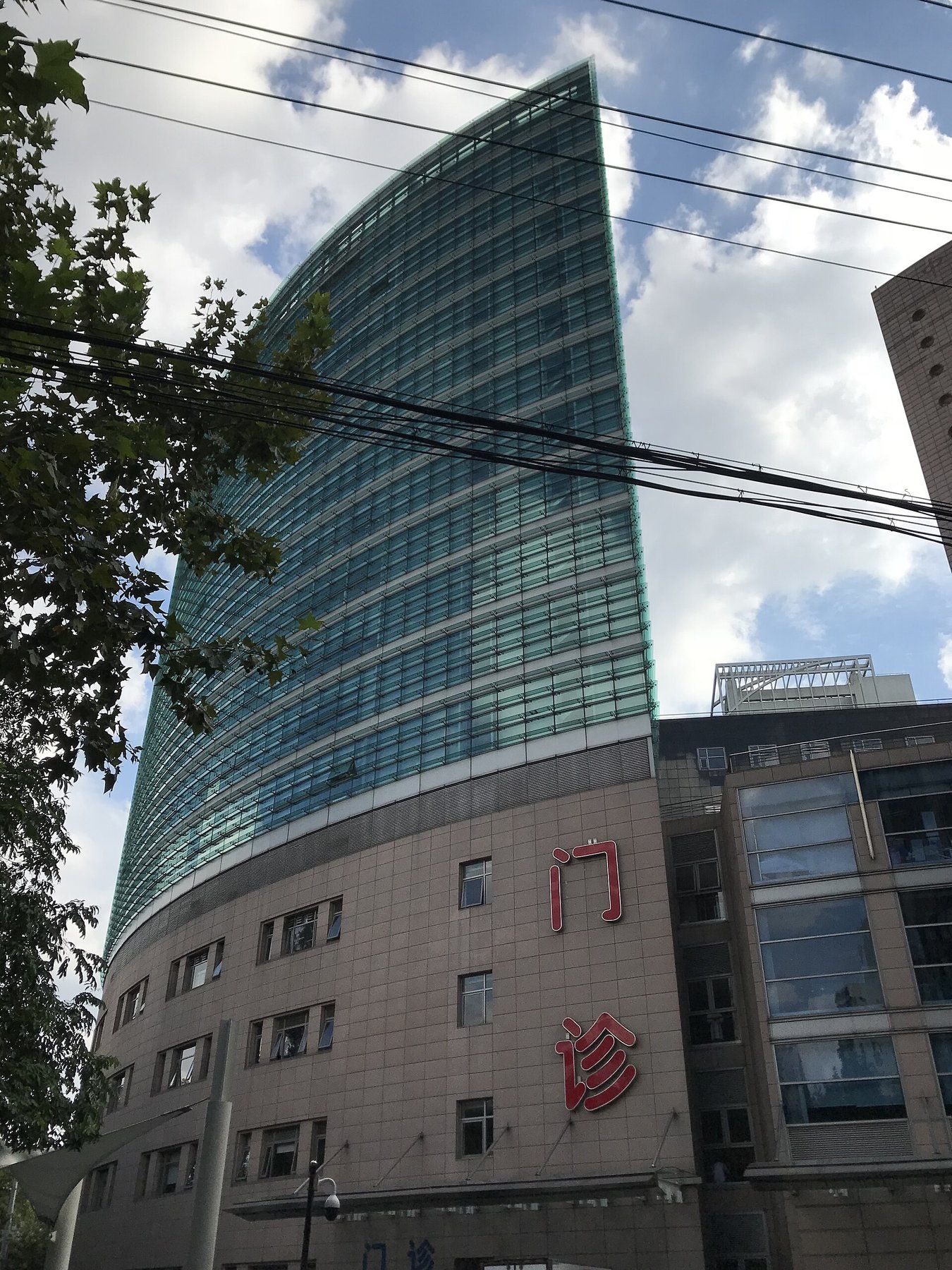
Zhongshan Hospital, Fudan University
- Fudan 2023
- #2 Cardiovascular medicine
- #2 General surgery
Specialists
- Liver cancer surgery
- Liver transplantation for liver cancer
- Portal vein tumor thrombus
- Lung cancer
- Esophageal cancer
- Early diagnosis and surgery of thoracic tumors
- Nasopharyngeal carcinoma
- Intensity-modulated radiotherapy
- Image-guided and adaptive radiotherapy
- Breast cancer
- Triple-negative breast cancer
- Breast cancer clinical trials
Frequently asked questions
Can I get a second opinion on lung cancer from China without travelling?
Yes. Specialists can review your pathology, scans and molecular test results remotely and give a written opinion in your language, so you can decide whether travelling makes sense.
Are the same cancer drugs available in China?
Many internationally used drugs are available in China, and China has also approved domestically developed targeted therapies and immunotherapies. Availability and cost for international patients vary, so ask us about a specific drug.
I have a small lung nodule. Do I need surgery?
Not always. Many small nodules, especially pure ground-glass nodules, are monitored with CT scans. Chinese thoracic surgeons see very large numbers of nodules and can advise whether to watch, biopsy or remove one, and whether a limited (segmental) resection is suitable.