About nasopharyngeal carcinoma
Nasopharyngeal carcinoma (NPC) arises in the upper part of the throat behind the nose. It is closely linked to the Epstein–Barr virus (EBV) and is much more common in southern China and Southeast Asia than elsewhere.
Symptoms
Common first signs are a painless lump in the neck, a blocked nose or nosebleeds, a blocked ear or hearing loss on one side, and headache or double vision when the cancer reaches the skull base.
Diagnosis
Endoscopy with biopsy confirms the diagnosis. MRI of the head and neck defines local extent, PET-CT checks for spread, and plasma EBV DNA helps with staging and follow-up.
Treatment in China
- Intensity-modulated radiotherapy (IMRT) is the main treatment, with image-guided and adaptive techniques at leading centers.
- Induction chemotherapy before chemoradiotherapy for locoregionally advanced disease.
- Immunotherapy, including PD-1 antibodies developed in China, for recurrent or metastatic disease and increasingly in earlier settings.
- Treatment of recurrence with endoscopic surgery, re-irradiation or particle therapy.
Why patients choose China
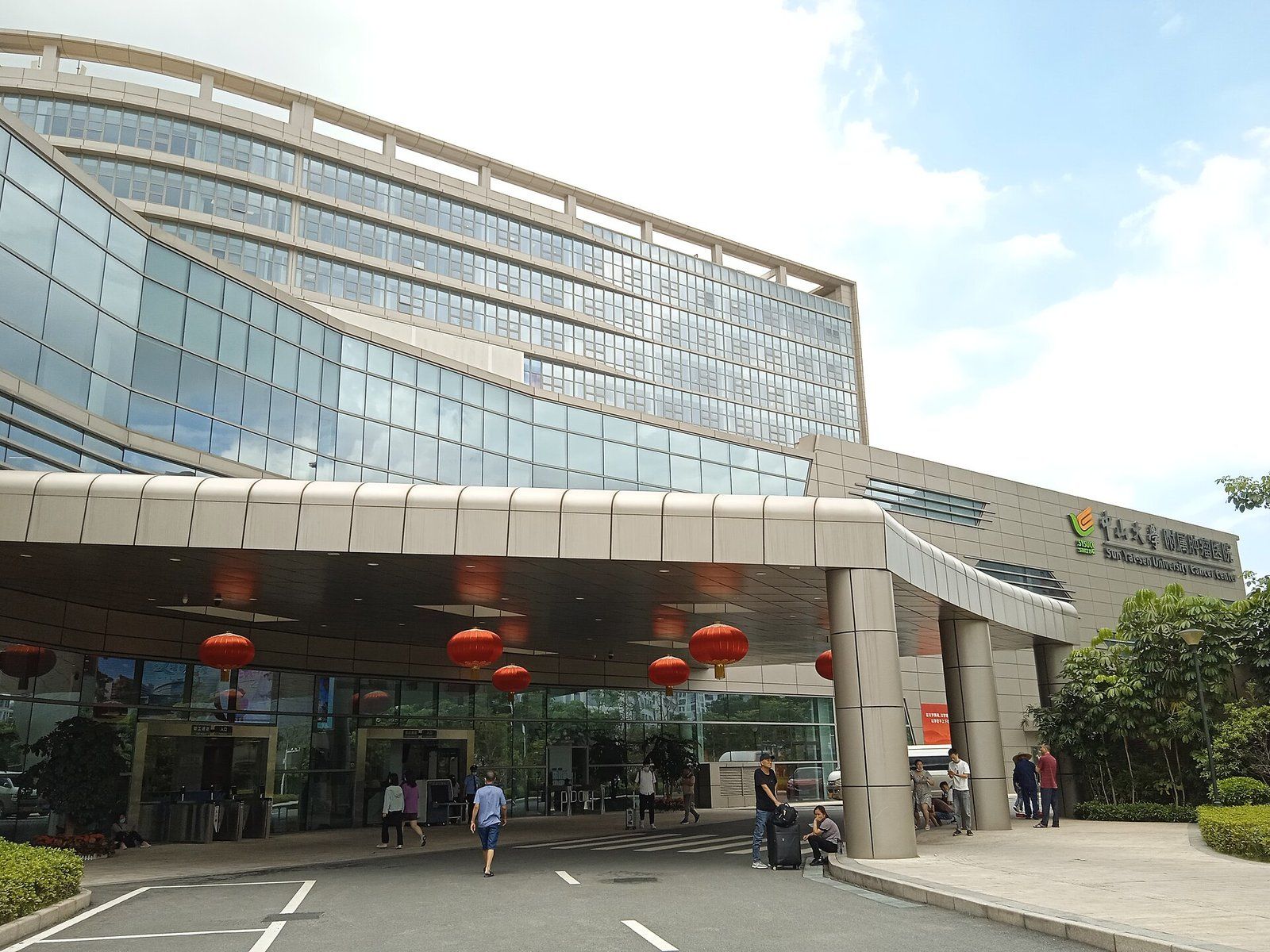
Sun Yat-sen University Cancer Center ranks second nationally in oncology. Its nasopharyngeal carcinoma team, led by academician Ma Jun, has run trials that shaped international guidelines and contributed to the UICC/AJCC staging system, and has focused on nasopharyngeal carcinoma since 1985.
Treatments available in China
Proton and heavy-ion therapy
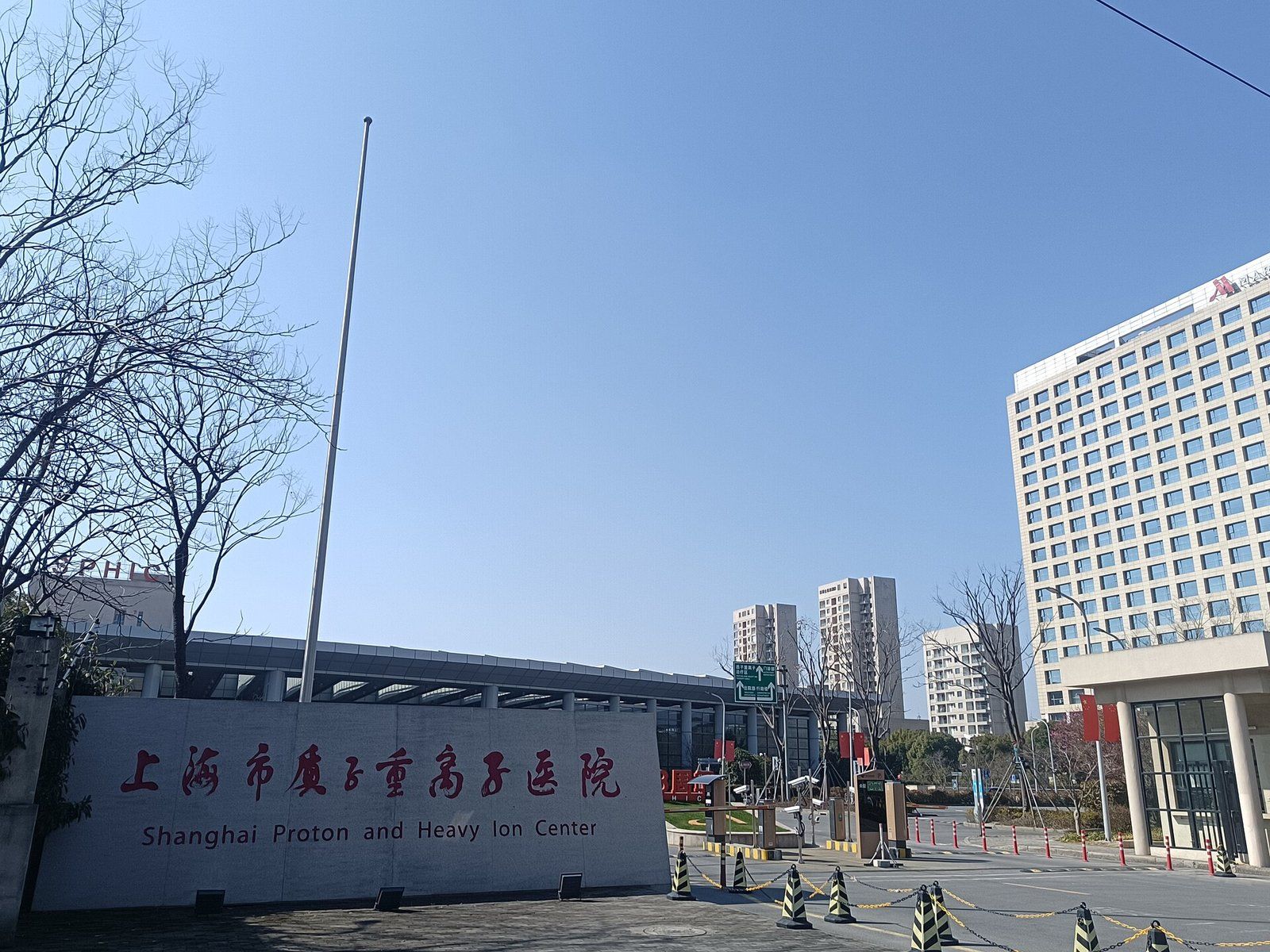
Proton and carbon-ion (heavy-ion) therapy are forms of particle radiotherapy that, for some tumors, concentrate the radiation dose in the tumor while sparing more surrounding tissue. China has a small but growing number of centers.
Top hospitals in China for Oncology
Fudan 2023 reputation score · bars are relative to the leader in this specialty.
- 1 Cancer Hospital, Chinese Academy of Medical Sciences Beijing 10.9
- 2 Sun Yat-sen University Cancer Center Guangzhou 9.4
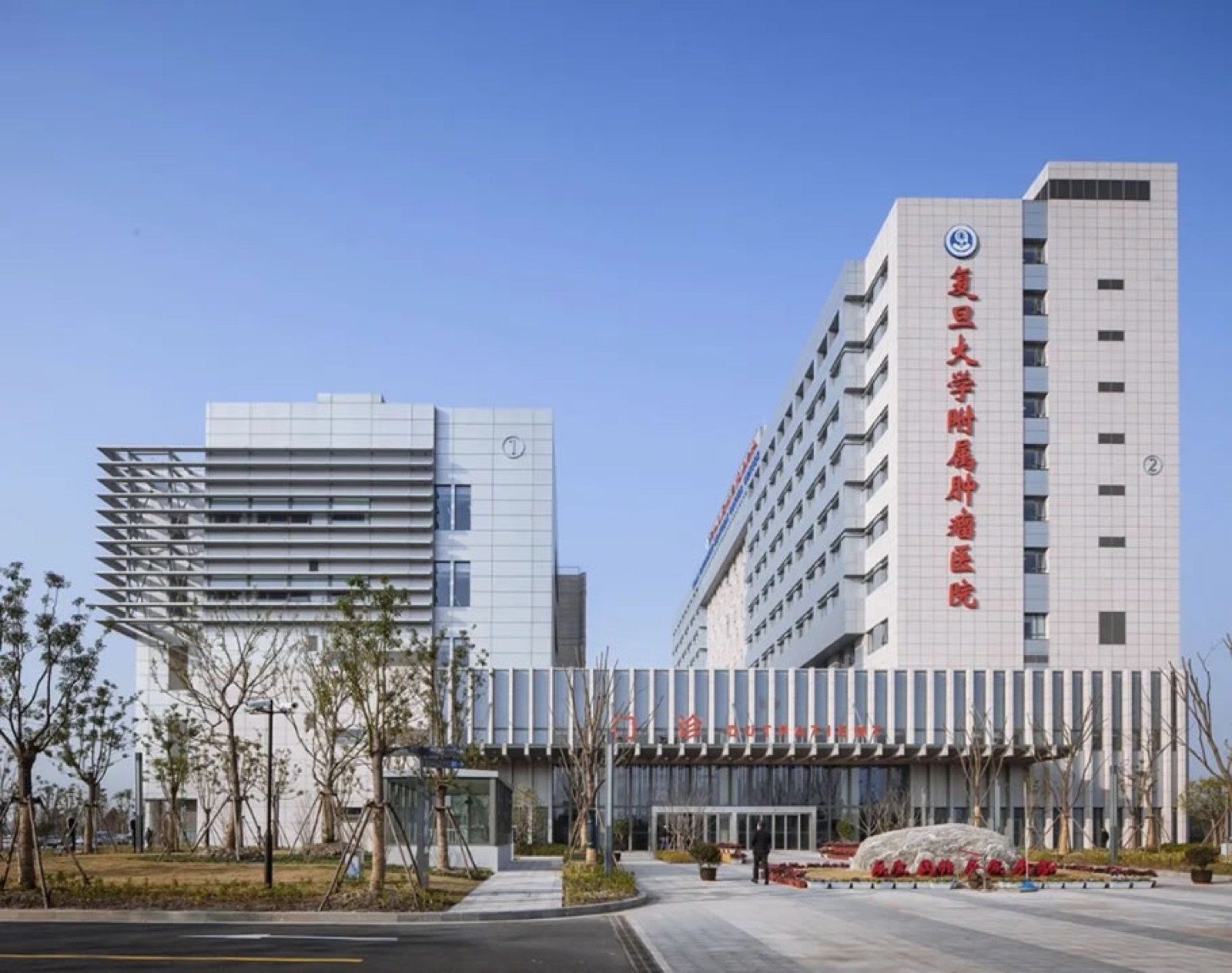
- 3 Fudan University Shanghai Cancer Center Shanghai 8.9
- 4 Peking University Cancer Hospital Beijing 6.8
- 5 Tianjin Medical University Cancer Institute and Hospital Tianjin 6.3
- 6 Shandong Cancer Hospital and Institute Jinan 4.8
- 7 Zhejiang Cancer Hospital Hangzhou 2.9
- 8 West China Hospital, Sichuan University Chengdu 2.8
- 9 Jiangsu Cancer Hospital Nanjing 1.4
- 10 Sichuan Cancer Hospital & Institute Chengdu 1.0
Nominated hospitals (15)
- Peking Union Medical College HospitalBeijing
- Zhongshan Hospital, Fudan UniversityShanghai
- Chinese PLA General Hospital (301 Hospital)Beijing
- First Hospital of China Medical UniversityShenyang
- Second Affiliated Hospital, Zhejiang University School of MedicineHangzhou
- Wuhan Union Hospital, Tongji Medical CollegeWuhan
- Harbin Medical University Cancer HospitalHarbin
- Henan Cancer HospitalZhengzhou
- Hunan Cancer HospitalChangsha
- Chongqing University Cancer HospitalChongqing
- Jilin Cancer HospitalChangchun
- Tongji Hospital, Tongji Medical CollegeWuhan
- Xinqiao Hospital, Army Medical UniversityChongqing
- Southwest Hospital, Army Medical UniversityChongqing
- Xiangya Hospital, Central South UniversityChangsha
Hospitals to consider
Specialists
- Nasopharyngeal carcinoma
- Intensity-modulated radiotherapy
- Image-guided and adaptive radiotherapy
- Breast cancer
- Triple-negative breast cancer
- Breast cancer clinical trials
Frequently asked questions
Why consider China for nasopharyngeal carcinoma?
Because the disease is common in southern China, specialist centers there treat a very large number of patients and have led clinical trials that changed international treatment guidelines, including on induction chemotherapy.
What should I send for a second opinion?
A head and neck MRI, the pathology report, plasma EBV DNA results if available, and details of any previous treatment, especially radiotherapy plans and doses.
What if the cancer comes back after radiotherapy?
Options for recurrence include surgery (often endoscopic), re-irradiation with advanced techniques, immunotherapy and, in selected cases, particle therapy. Specialist assessment is important because previously irradiated tissue needs careful planning.