About stroke
A stroke happens when blood flow to part of the brain is blocked (ischemic stroke) or a blood vessel bursts (hemorrhagic stroke). A transient ischemic attack (TIA) is a short warning episode that greatly increases the risk of a full stroke.
Symptoms
Sudden weakness or numbness of the face, arm or leg, especially on one side; trouble speaking or understanding; loss of vision; severe headache; or loss of balance. Remember “FAST”: Face, Arm, Speech, Time to call emergency services.
Diagnosis
Emergency CT or MRI distinguishes ischemic from hemorrhagic stroke. Vascular imaging, heart monitoring and blood tests then look for the cause, which guides prevention.
Treatment in China
- Acute treatment: intravenous thrombolysis and mechanical thrombectomy at stroke centers.
- Secondary prevention: antiplatelet or anticoagulant drugs, blood pressure and cholesterol control, tailored to the cause.
- Procedures: carotid stenting or endarterectomy, coiling or clipping of aneurysms, and treatment of arteriovenous malformations.
- Rehabilitation: physiotherapy, speech therapy and, in many hospitals, acupuncture alongside conventional rehabilitation.
Why patients choose China
Tiantan Hospital hosts the China National Clinical Research Center for Neurological Diseases. Its CHANCE trials, led by Wang Yongjun, showed that short-term dual antiplatelet treatment after minor stroke or TIA reduces the risk of a second stroke. In 2025 Wang Yongjun received the American Stroke Association’s Feinberg Award.
Treatments available in China
Acupuncture
Acupuncture is a core technique of traditional Chinese medicine. In Chinese hospitals it is mainly used for pain, nausea and rehabilitation, alongside conventional care.
Top hospitals in China for Neurology
Fudan 2023 reputation score · bars are relative to the leader in this specialty.
- 1 Peking Union Medical College Hospital Beijing 9.4
- 2 Beijing Tiantan Hospital Beijing 8.9
- 3 Huashan Hospital, Fudan University Shanghai 7.1
- 4 Xuanwu Hospital, Capital Medical University Beijing 7.0
- 5 West China Hospital, Sichuan University Chengdu 4.8
- 6 First Affiliated Hospital of Sun Yat-sen University Guangzhou 4.1
- 7 Ruijin Hospital Shanghai 3.7
- 8 Xiangya Hospital, Central South University Changsha 3.4
- 9 First Affiliated Hospital of Fujian Medical University Fuzhou 3.3
- 10 Chinese PLA General Hospital (301 Hospital) Beijing 2.6
Nominated hospitals (18)
- Tongji Hospital, Tongji Medical CollegeWuhan
- First Hospital of Jilin UniversityChangchun
- Nanjing Drum Tower HospitalNanjing
- Army Medical Center of PLA (Daping Hospital)Chongqing
- Wuhan Union Hospital, Tongji Medical CollegeWuhan
- Xijing Hospital, Air Force Medical UniversityXi’an
- First Affiliated Hospital of Chongqing Medical UniversityChongqing
- Second Affiliated Hospital, Zhejiang University School of MedicineHangzhou
- Xinqiao Hospital, Army Medical UniversityChongqing
- Third Affiliated Hospital of Sun Yat-sen UniversityGuangzhou
- Peking University First HospitalBeijing
- Peking University Third HospitalBeijing
- Zhongshan Hospital, Fudan UniversityShanghai
- First Affiliated Hospital of Nanchang UniversityNanchang
- Qilu Hospital of Shandong UniversityJinan
- Renmin Hospital of Wuhan UniversityWuhan
- First Affiliated Hospital, Zhejiang University School of MedicineHangzhou
- Henan Provincial People’s HospitalZhengzhou
Hospitals to consider
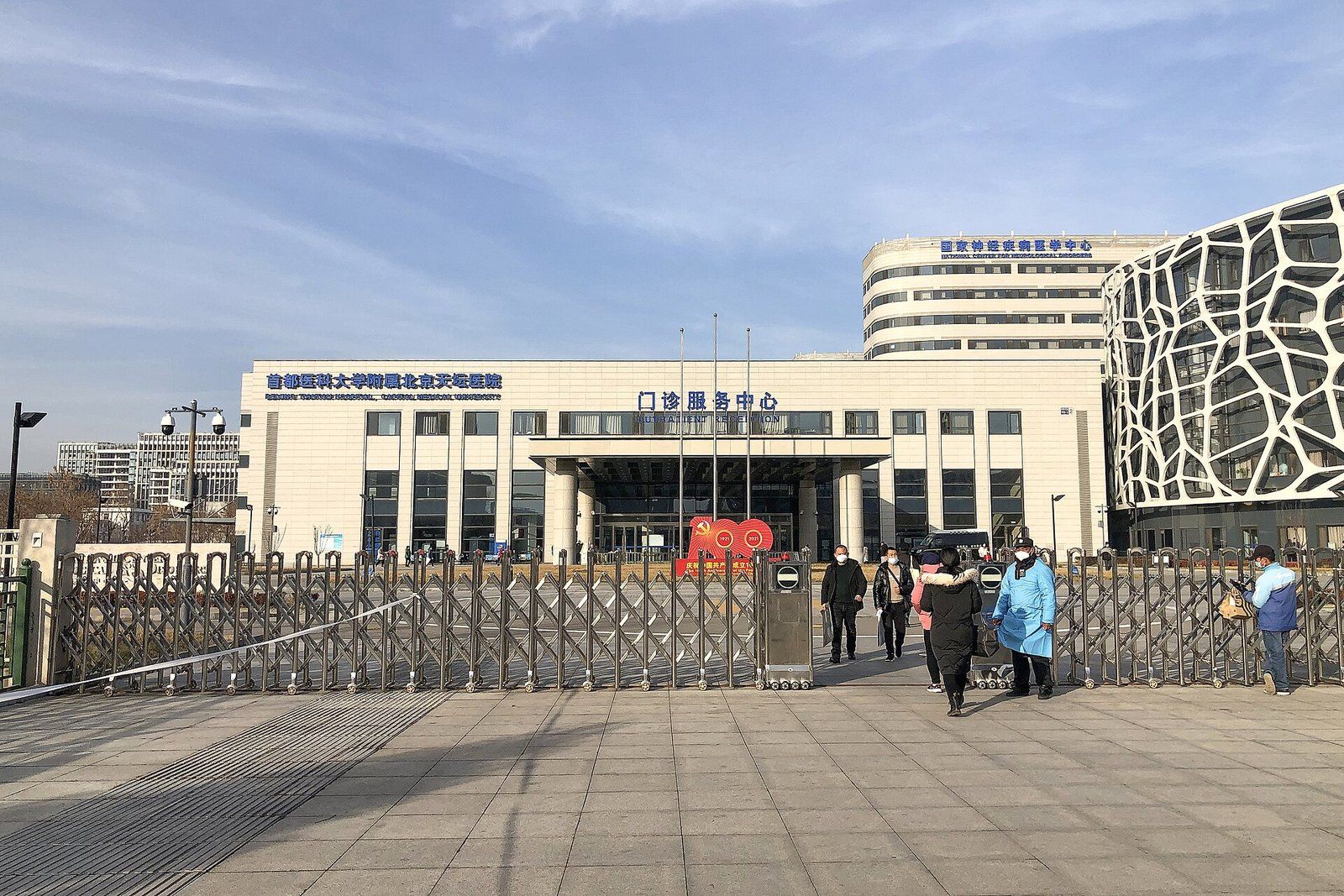
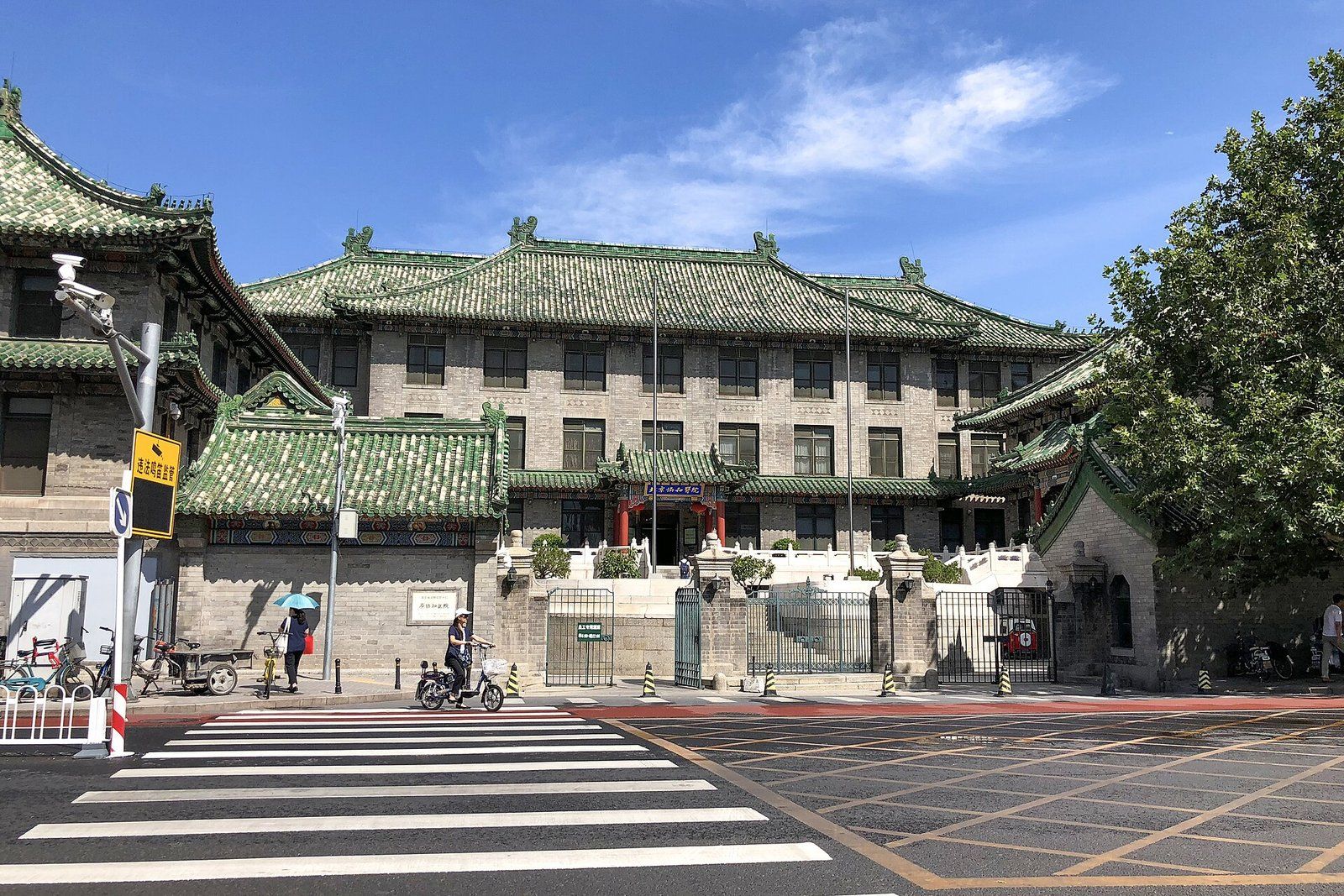
Peking Union Medical College Hospital
- Fudan 2023
- #1 Allergy
- #1 Critical care medicine
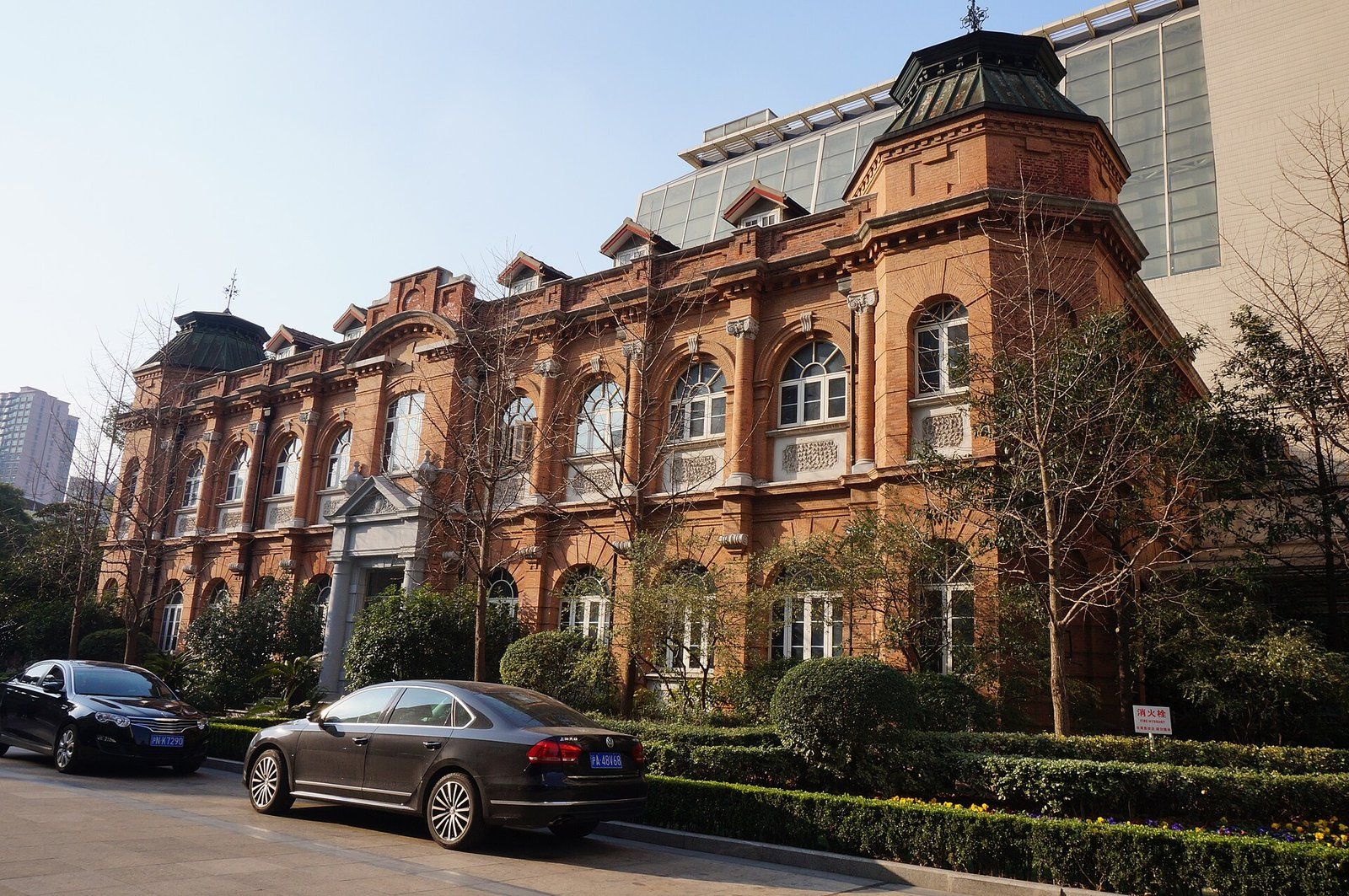
Huashan Hospital, Fudan University
- Fudan 2023
- #1 Dermatology
- #1 Infectious diseases
Specialists
- Stroke
- Cerebrovascular disease
- Secondary prevention of stroke
Frequently asked questions
Can I travel to China for treatment of an acute stroke?
No. A stroke is an emergency: call your local emergency number immediately, because clot-busting treatment and thrombectomy only work within hours. Chinese specialists can help afterwards with a second opinion, prevention of another stroke, and planned procedures.
What records help with a stroke second opinion?
Brain CT or MRI and vascular imaging (CTA, MRA or angiography) in DICOM format, discharge summaries, heart rhythm tests, blood tests and your current medicines.