About esophageal cancer
Esophageal cancer starts in the lining of the food pipe. There are two main types: squamous cell carcinoma, which dominates in China, and adenocarcinoma, which is linked to acid reflux and more common in Europe and North America.
Symptoms
The typical symptom is difficulty swallowing that gets worse over time, first with solid food. Others include weight loss, chest pain or burning, hoarseness and coughing when eating.
Diagnosis
Upper endoscopy with biopsy confirms the diagnosis. CT, PET-CT and endoscopic ultrasound determine how deep the tumor goes and whether lymph nodes are involved.
Treatment in China
- Endoscopic resection for very early tumors.
- Minimally invasive esophagectomy using thoracoscopic or robotic techniques.
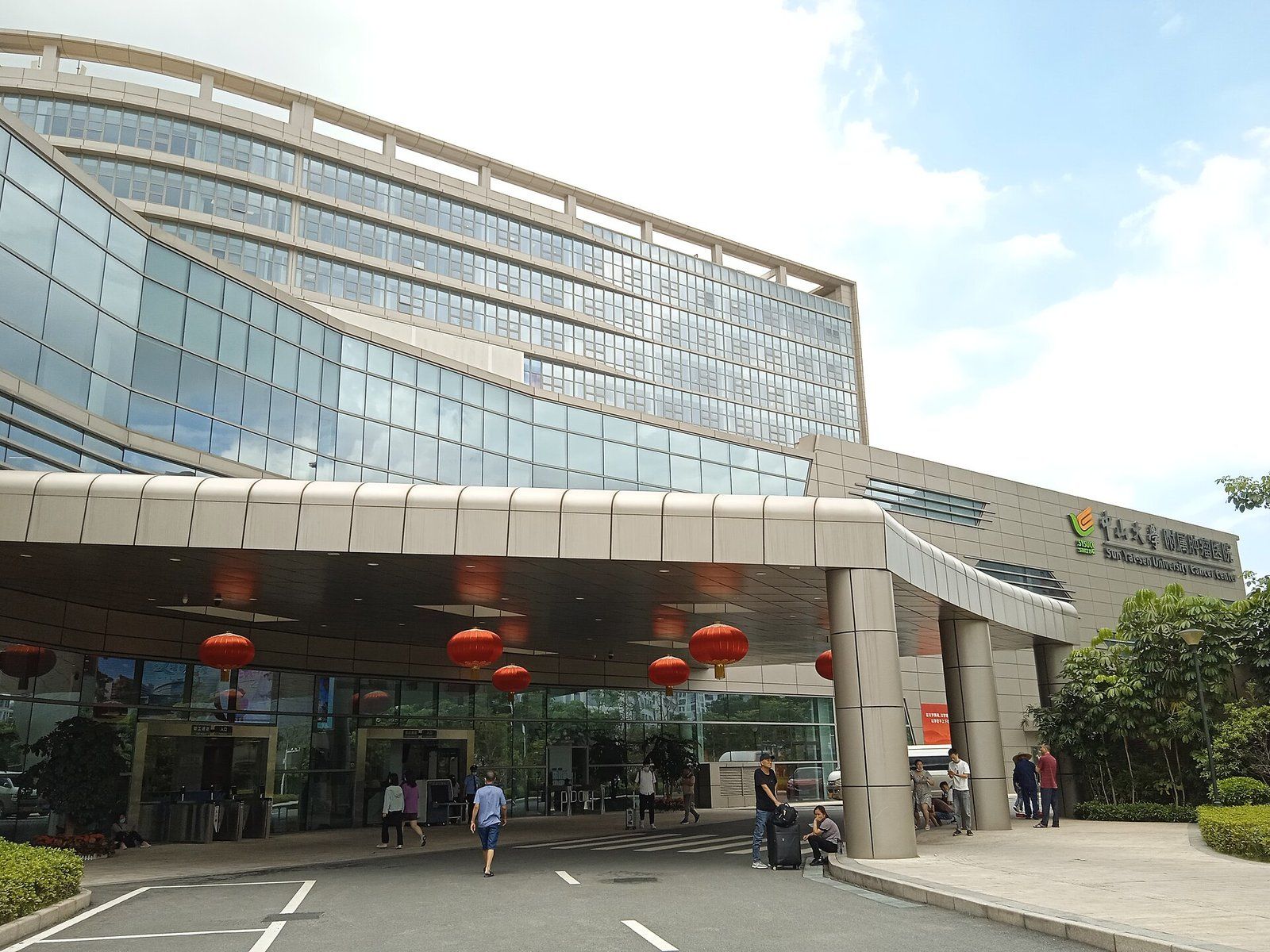
- Neoadjuvant chemoradiotherapy before surgery. The NEOCRTEC5010 trial, led by Sun Yat-sen University Cancer Center, showed better survival with this approach for squamous cell carcinoma.
- Definitive chemoradiotherapy for patients who cannot have surgery.
- Immunotherapy, including several PD-1 antibodies approved in China for esophageal squamous cell carcinoma.
Why patients choose China
Few countries have comparable experience with esophageal squamous cell carcinoma. He Jie of the Cancer Hospital, Chinese Academy of Medical Sciences, chairs the Esophageal Cancer Committee of the China Anti-Cancer Association, and the hospital ranks first nationally in both oncology and thoracic surgery.
Treatments available in China
Robotic surgery
Robot-assisted surgery is routine at China’s leading hospitals for cancers of the prostate, kidney, rectum, lung, esophagus and uterus, and China has also developed its own surgical robots.
Top hospitals in China for Oncology
Fudan 2023 reputation score · bars are relative to the leader in this specialty.
- 1 Cancer Hospital, Chinese Academy of Medical Sciences Beijing 10.9
- 2 Sun Yat-sen University Cancer Center Guangzhou 9.4
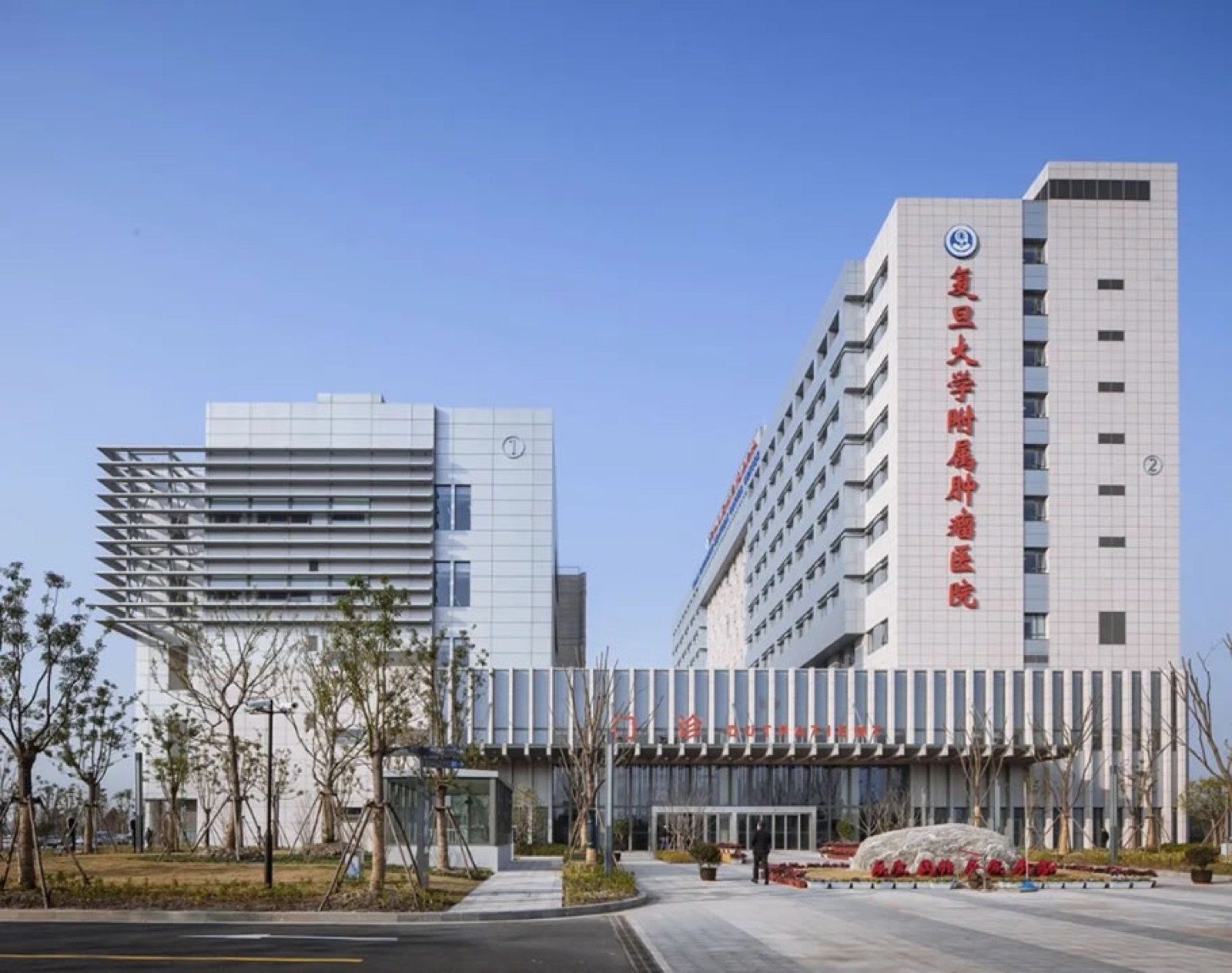
- 3 Fudan University Shanghai Cancer Center Shanghai 8.9
- 4 Peking University Cancer Hospital Beijing 6.8
- 5 Tianjin Medical University Cancer Institute and Hospital Tianjin 6.3
- 6 Shandong Cancer Hospital and Institute Jinan 4.8
- 7 Zhejiang Cancer Hospital Hangzhou 2.9
- 8 West China Hospital, Sichuan University Chengdu 2.8
- 9 Jiangsu Cancer Hospital Nanjing 1.4
- 10 Sichuan Cancer Hospital & Institute Chengdu 1.0
Nominated hospitals (15)
- Peking Union Medical College HospitalBeijing
- Zhongshan Hospital, Fudan UniversityShanghai
- Chinese PLA General Hospital (301 Hospital)Beijing
- First Hospital of China Medical UniversityShenyang
- Second Affiliated Hospital, Zhejiang University School of MedicineHangzhou
- Wuhan Union Hospital, Tongji Medical CollegeWuhan
- Harbin Medical University Cancer HospitalHarbin
- Henan Cancer HospitalZhengzhou
- Hunan Cancer HospitalChangsha
- Chongqing University Cancer HospitalChongqing
- Jilin Cancer HospitalChangchun
- Tongji Hospital, Tongji Medical CollegeWuhan
- Xinqiao Hospital, Army Medical UniversityChongqing
- Southwest Hospital, Army Medical UniversityChongqing
- Xiangya Hospital, Central South UniversityChangsha
Hospitals to consider
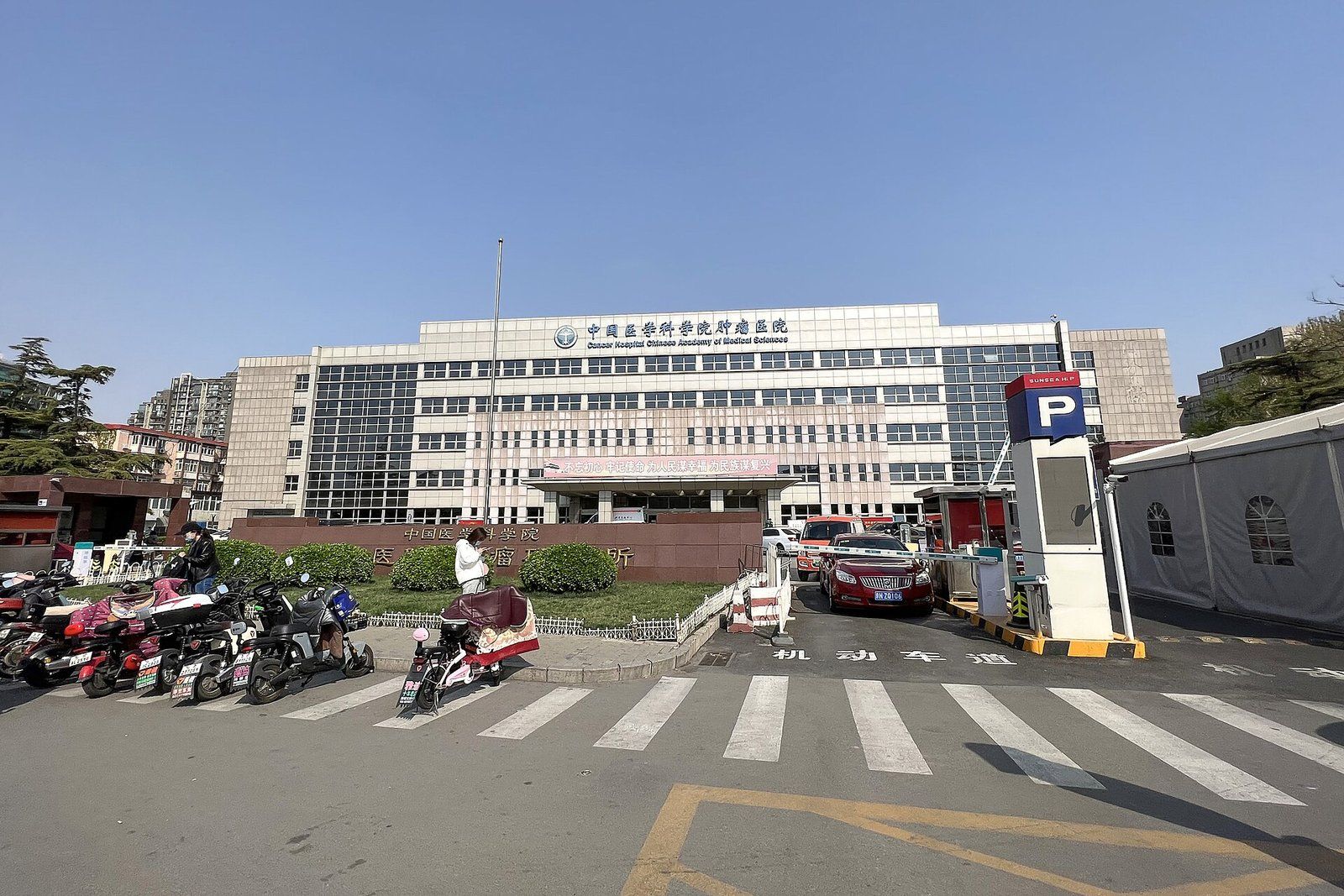
Cancer Hospital, Chinese Academy of Medical Sciences
- Fudan 2023
- #1 Oncology
- #1 Thoracic surgery
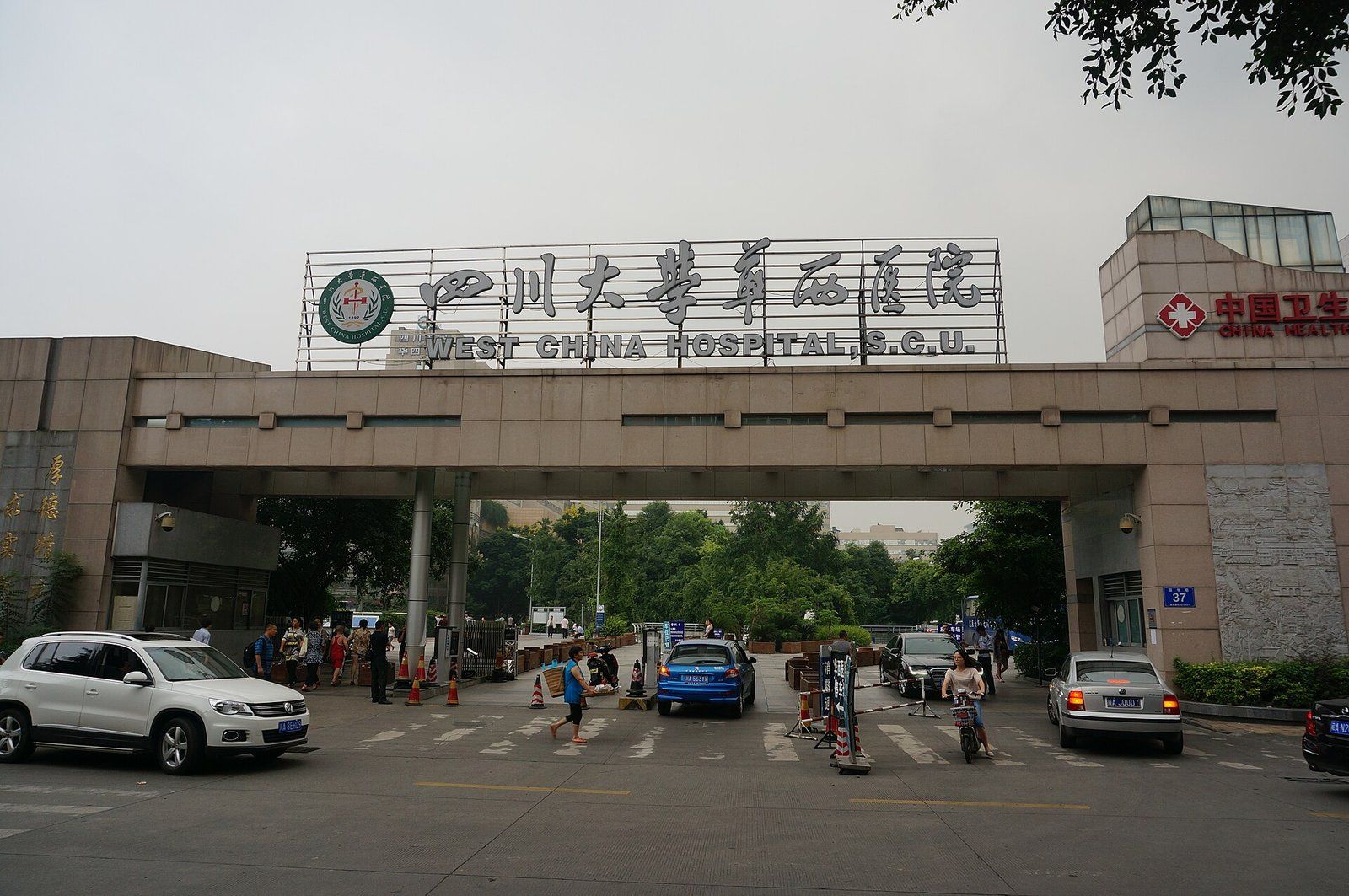
West China Hospital, Sichuan University
- Fudan 2023
- #1 Rehabilitation medicine
- #2 Urology
Specialists
- Lung cancer
- Esophageal cancer
- Early diagnosis and surgery of thoracic tumors
- Nasopharyngeal carcinoma
- Intensity-modulated radiotherapy
- Image-guided and adaptive radiotherapy
- Breast cancer
- Triple-negative breast cancer
- Breast cancer clinical trials
Frequently asked questions
Is esophageal cancer in China different from that in Western countries?
Yes, in part. In China most cases are squamous cell carcinoma, while adenocarcinoma is more common in Western countries. Chinese clinical trials and guidelines therefore draw on very large numbers of squamous cell carcinoma patients.
Can early esophageal cancer be treated without major surgery?
Very early tumors limited to the inner lining can often be removed endoscopically, for example by endoscopic submucosal dissection (ESD), preserving the esophagus.