How it works
T cells are collected from the patient’s blood (leukapheresis), genetically modified in a laboratory to recognize a target on cancer cells, for example CD19 or BCMA, multiplied, and infused back after a short course of chemotherapy (lymphodepletion).
Where it is used
In China, as in other countries, approved CAR-T products are mainly used for certain relapsed or refractory blood cancers, such as some B-cell lymphomas, B-cell acute lymphoblastic leukemia and multiple myeloma. China’s drug regulator has approved several CAR-T products since 2021, and many more are being studied in clinical trials.
Risks
Cytokine release syndrome and neurological side effects are the main short-term risks and need close monitoring by an experienced team.
Practical points for international patients
- Plan to stay near the treating center for several weeks to a few months in total, for evaluation, cell manufacturing, infusion and monitoring.
- Eligibility depends on the diagnosis, previous treatments and the specific product.
Cost
Historical reference price from 2021. Current prices may differ; we confirm an up-to-date quote with the hospital before you travel.
Typical range: CN¥1,200,000 – CN¥1,290,000
About $169,000 – $181,700 at current exchange rates.
Basis: list price per infusion of the CAR-T products approved in China: axicabtagene ciloleucel RMB 1.2 million, relmacabtagene autoleucel RMB 1.29 million; hospital stay and monitoring are extra. Source: The Paper (December 21, 2021). Sources
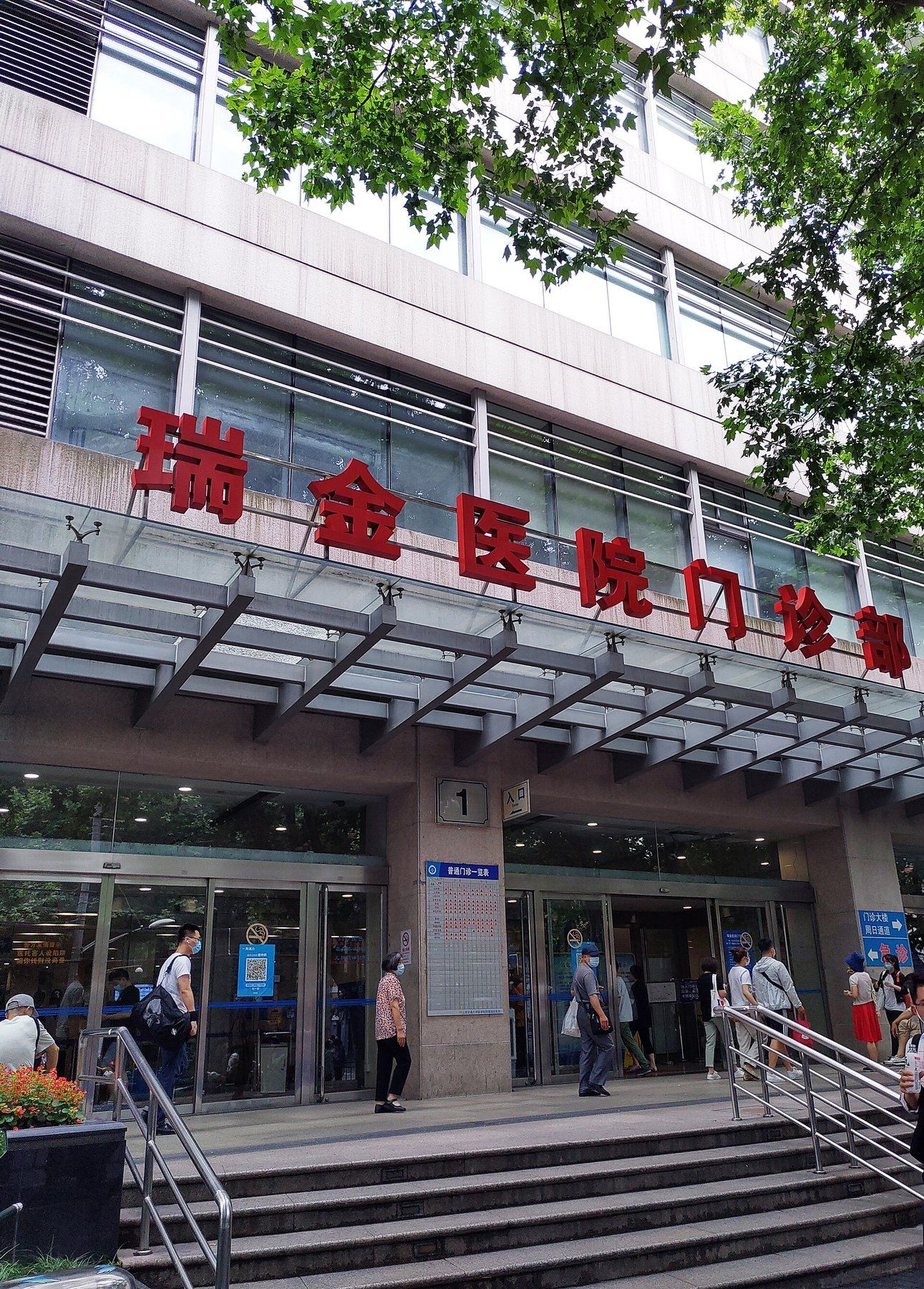
Where it is available
Frequently asked questions
Is CAR-T therapy cheaper in China?
Prices of approved CAR-T products in China are generally lower than in the United States, but still substantial, and the total cost also includes the hospital stay and monitoring. Ask us for a personalized estimate.
Can international patients join CAR-T clinical trials in China?
Some trials accept international patients and some do not, depending on the trial’s rules. We can check current options for your diagnosis.