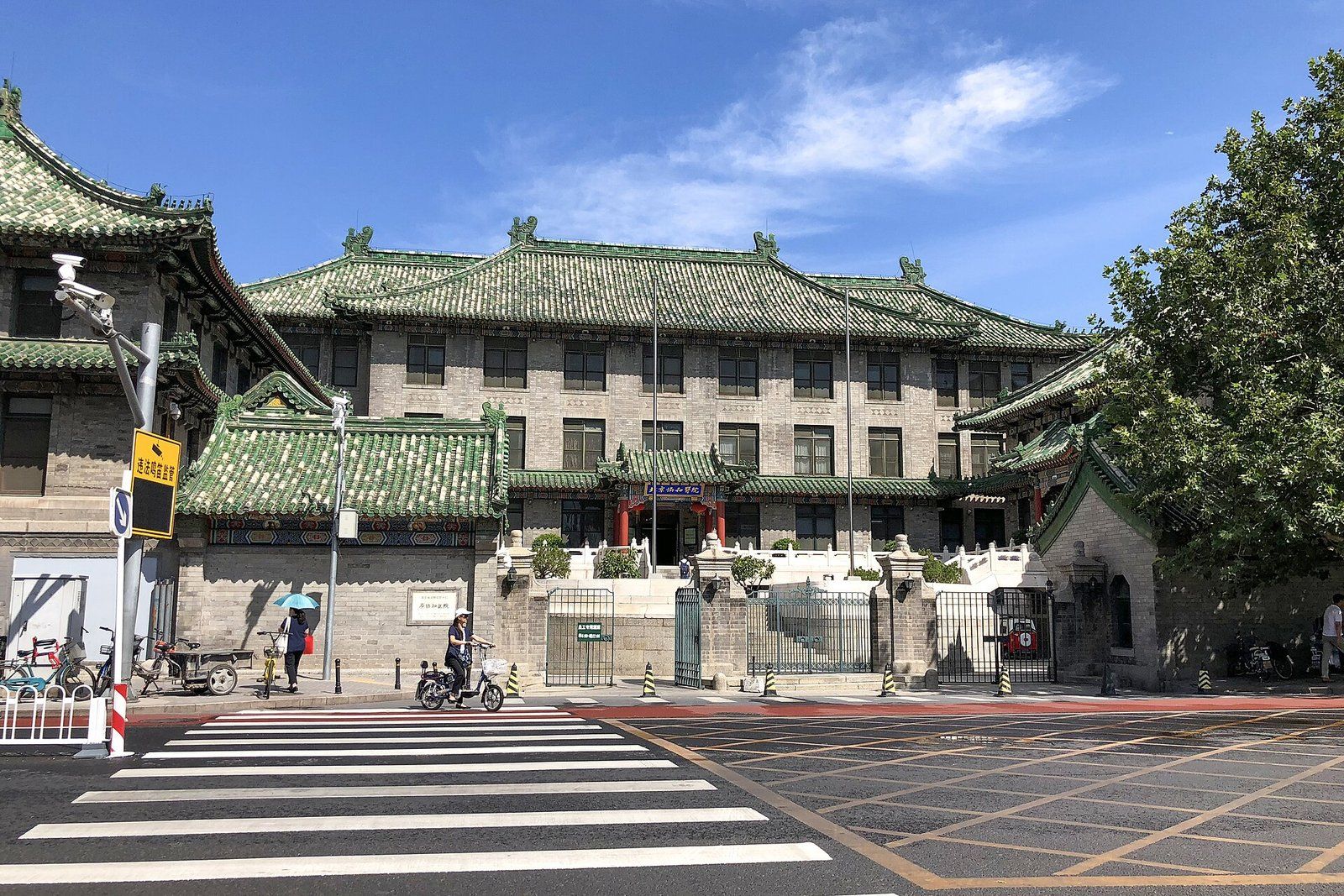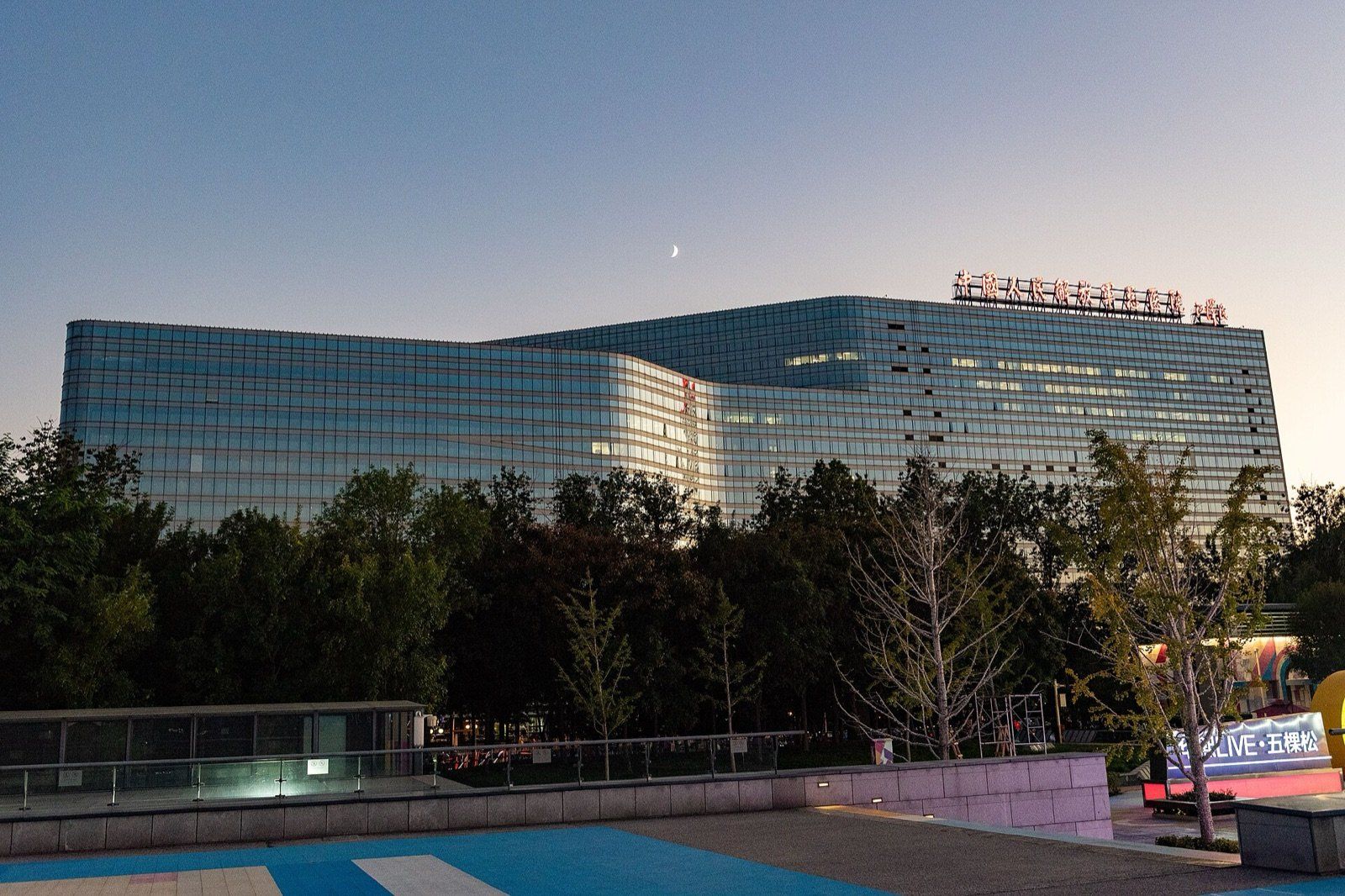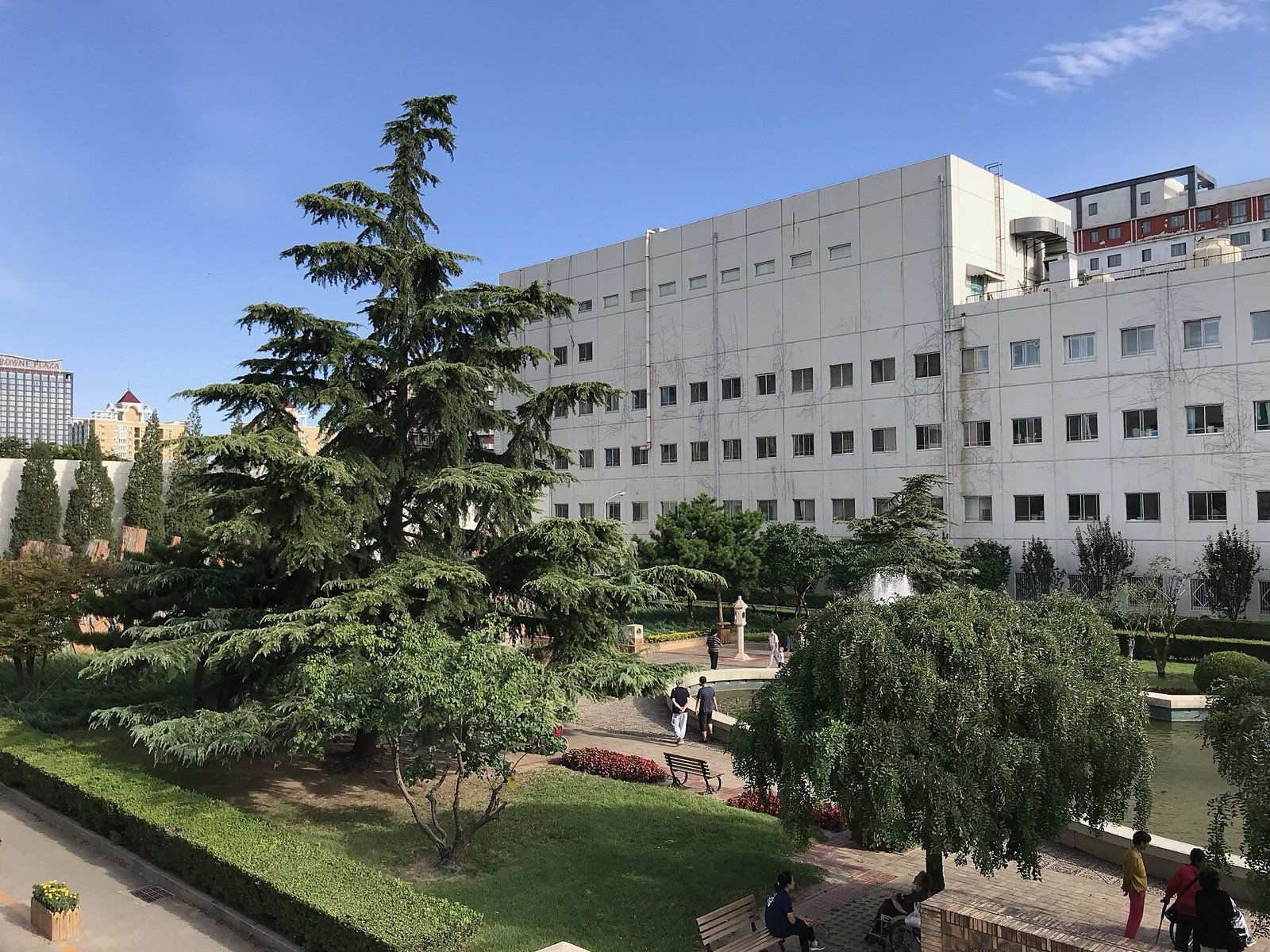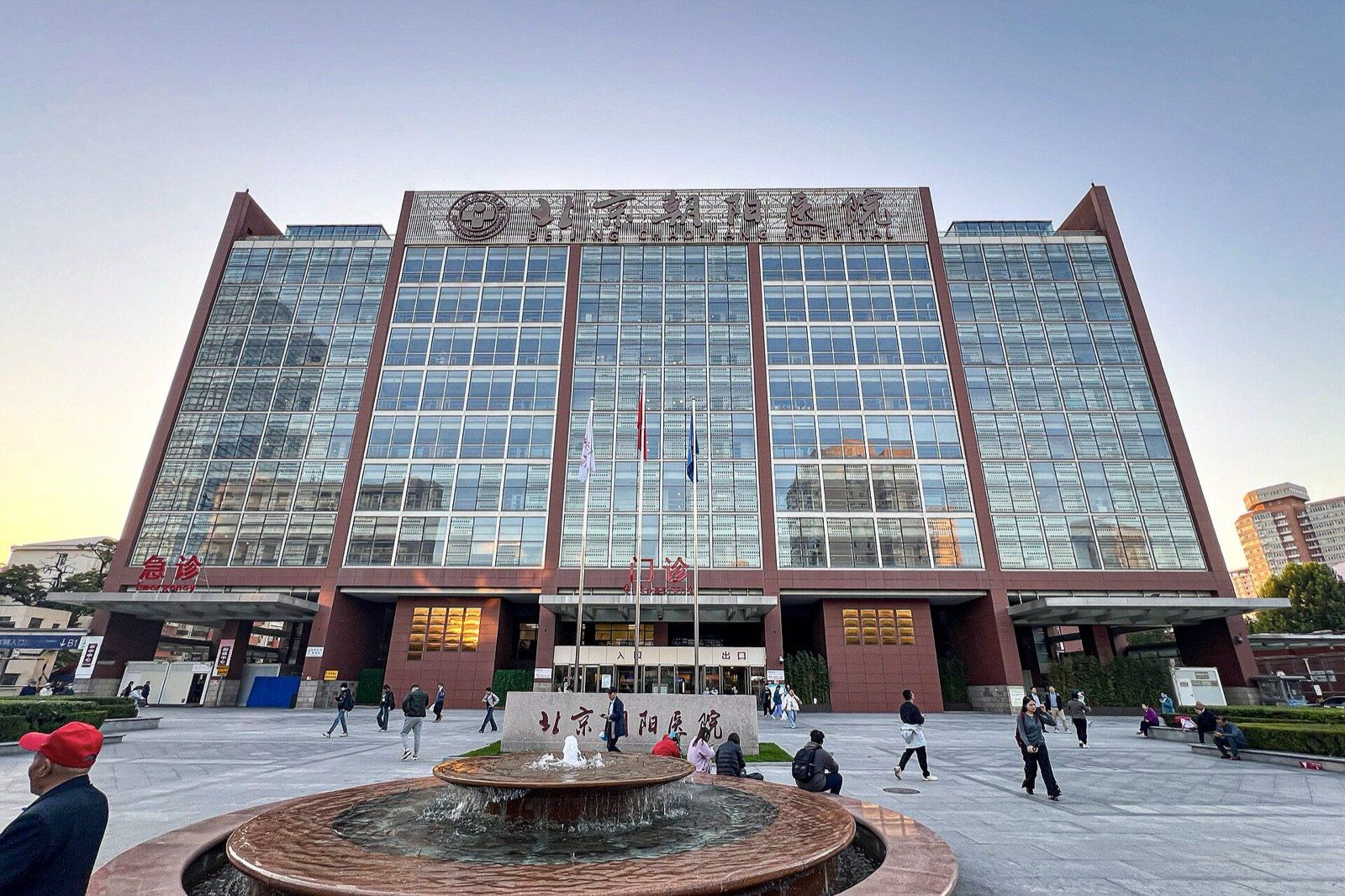
Founded in 1958 as a Beijing municipal hospital, Chao-Yang Hospital is the Third Clinical Medical College of Capital Medical University. It has three campuses, about 1,900 beds and 4 million outpatient visits a year.
Respiratory medicine, founded in 1985 by academician Weng Xinzhi, is a national key discipline with nationally recognised programmes in pulmonary embolism and pulmonary vascular disease, respiratory failure and support, emerging respiratory infections, smoking cessation and ECMO. It also hosts the clinical branch of the national chemical poisoning treatment base.
Why patients choose Beijing Chao-Yang Hospital, Capital Medical University
- National key discipline in respiratory medicine
- National top 10 for emergency medicine
- Leader in pulmonary embolism and ECMO
- About 4 million visits a year
National rankings
- Overall ranking Top 80 nationally (tier A+)
From the China Hospital Rankings by the Fudan University Hospital Management Institute (2023 edition, published November 16, 2024), voted by more than 5,000 senior specialists of the Chinese Medical Association and the Chinese Medical Doctor Association.
Ranked departments
Departments in China’s national top 10 in the Fudan specialty reputation ranking. Open one for its ranking, what it treats and how to book.
Location and contact
- Address
- 8 Gongti South Road, Chaoyang District, Beijing
- Main phone
- +86 10-85231000
Show this to your driver
The hospital’s name and address in Chinese, for taxis and ride-hailing apps.
首都医科大学附属北京朝阳医院
北京市朝阳区工人体育场南路8号
For international patients
- International patient department
- Not yet verified
- How to book
- Not yet verified
- Documents needed
- Not yet verified
- Languages spoken
- Not yet verified
- Fee tiers
- Not yet verified
- Payment methods
- Not yet verified
- Foreign bank cards accepted
- Not yet verified
- Typical wait for a first appointment
- Not yet verified
- Visa invitation letter
- Not yet verified
- Direct billing with international insurers
- Not yet verified
How to get treated here as an international patient
- Send us a summary of your medical records and goals. We check whether this hospital fits your case.
- We advise on the right department or specialist, with a realistic waiting time and cost range.
- We book through official hospital channels and help you prepare the documents you need.
- In China, a coordinator or medical escort can accompany you for registration, tests, payment and consultations.
Hospital background and scale
- 1,880 Beds
- 4.1M Outpatient visits a year
- 40K Operations a year
- 100K Inpatients a year
Figures as published by the hospital.
Frequently asked questions
Where is Beijing Chao-Yang Hospital, Capital Medical University located?
Beijing Chao-Yang Hospital, Capital Medical University is in Beijing, China. Address: 8 Gongti South Road, Chaoyang District, Beijing.
Can foreign patients be treated at Beijing Chao-Yang Hospital, Capital Medical University?
Major Chinese hospitals generally treat foreign patients who hold a valid passport. Language, registration and payment are the usual obstacles; our coordinators can help with appointments, interpretation and logistics.
How can I book an appointment at Beijing Chao-Yang Hospital, Capital Medical University?
Appointments are made through the hospital’s official channels, and well-known specialists are often booked weeks ahead. Send us your case and we will advise on the best route and the expected waiting time.
What is Beijing Chao-Yang Hospital, Capital Medical University known for?
Beijing Chao-Yang Hospital, Capital Medical University is particularly well known for Respiratory medicine and Emergency medicine.