How it works
A new valve, folded inside a catheter, is guided through an artery to the heart and expanded inside the old, narrowed valve. The procedure is usually done under light sedation or general anesthesia and avoids opening the chest.
Who it is for
Patients with severe aortic stenosis causing breathlessness, chest pain or fainting, especially when open surgery carries higher risk. Detailed CT imaging of the valve and arteries is essential for planning.
What leading Chinese hospitals offer
- Experience with bicuspid valves. A larger share of Chinese TAVR patients have a bicuspid (two-leaflet) aortic valve than in Western series, and Chinese teams have developed specific expertise with this anatomy.
- Domestic valve technology. In 2024 a balloon-expandable valve system developed by a West China Hospital team was approved in China, alongside several self-expanding domestic valves.
- Heart teams at Fuwai, Zhongshan and West China, combining interventional cardiologists, cardiac surgeons and imaging specialists.
Cost
Costs depend on the diagnosis, the hospital and the treatment plan. Send us your records for a personalized estimate.
Where it is available

Fuwai Hospital
- Fudan 2023
- #1 Cardiac surgery
- #1 Cardiovascular medicine

Zhongshan Hospital, Fudan University
- Fudan 2023
- #2 Cardiovascular medicine
- #2 General surgery
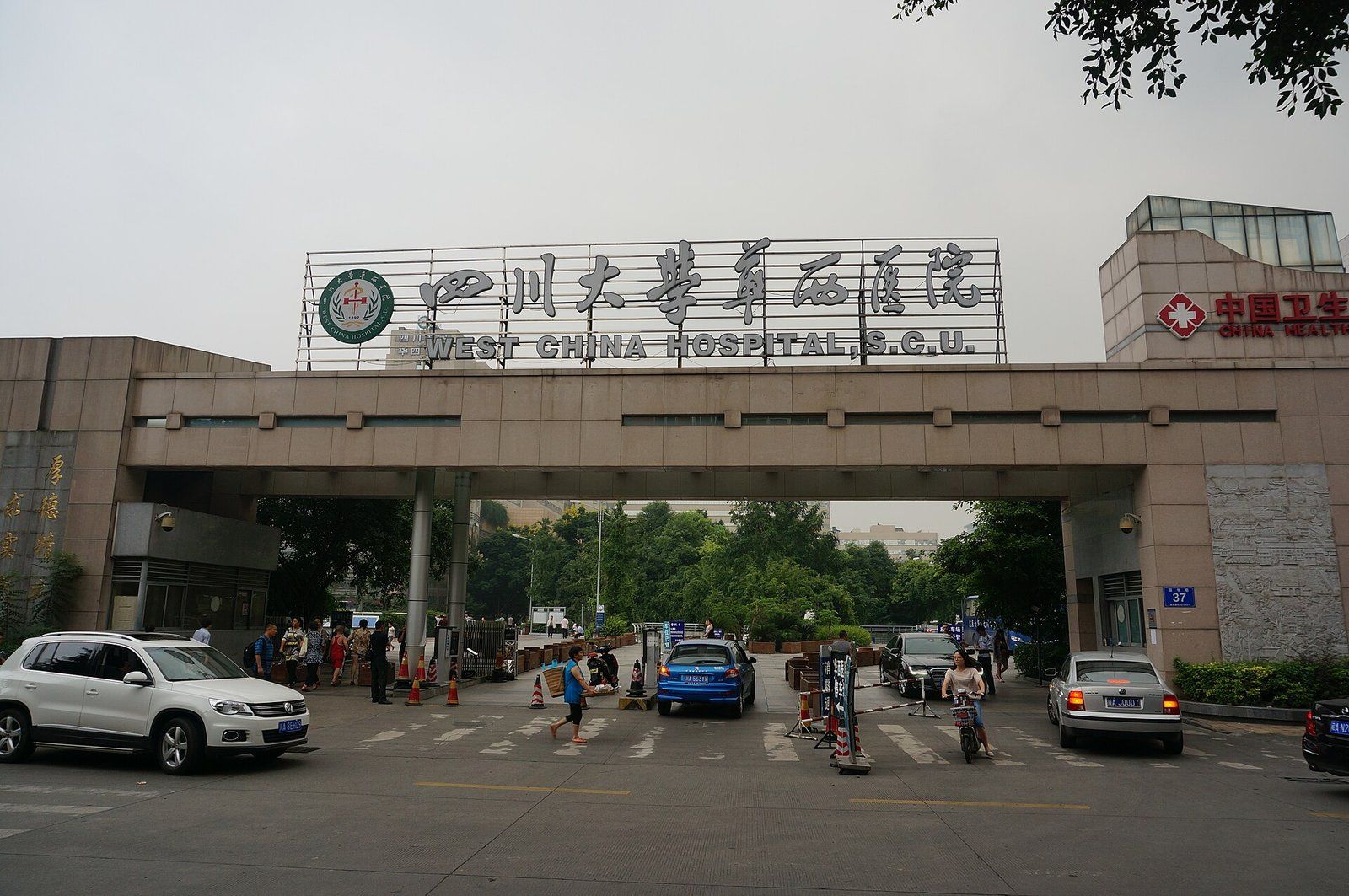
West China Hospital, Sichuan University
- Fudan 2023
- #1 Rehabilitation medicine
- #2 Urology
Frequently asked questions
Am I a candidate for TAVR?
TAVR is mainly used for severe aortic stenosis, particularly in older patients or those at higher surgical risk, and increasingly in lower-risk patients. A heart team reviews your echocardiogram and cardiac CT to decide.
How long is the stay after TAVR?
Many patients leave hospital within a few days. Plan for a follow-up check before flying home.